
Ancient human societies lived by the rhythm of the seasons. Sometimes concerned by a lack of light that might never return, the days after the winter solstice were the most celebrated days of the year.
Which came first then, culture or agriculture? Definitely agriculture, in a variety of ways. Hard labor began to taper down during late fall and early winter for these ancient, agricultural communities. All around the world work was replaced with the need to gather together, process the food for storage over the cold months, and, of course, celebrate survival. Agriculture created the seasonal, celebratory, cultural moments we experience around the world even today.
November in the United States is of course the month of the most celebrated harvest-related holiday, Thanksgiving. The time of year when families gather to express gratitude and appreciation for where they are, where they’ve come from, and who they’re with. It’s a heartwarming time to be surrounded by loved ones and delicious uniquely connected cultural foods, but before we all dig into our belly filling meals, let’s take a moment to look back on a few agriculture processes, once sustainably harvested by our ancient predecessors, that PLG still uses today.
Cover Crops
We suggest this technique to our PLG schools, especially those with long cold winters in the north east.
Previously known as “intercropping,” a cover crop is a plant grown to protect and enrich the soil rather than to be harvested for food or profit. Growers plant them in off-season or vacant garden beds to act as a living mulch.
As we’ve shared previously in the PLG blog, planting crops together, like the Three Sisters method of planting corn, beans, and squash together can be a way to successfully protect and nourish each other. In this system, the corn stalks provide a natural trellis for the beans to grow on, which in turn help the corn grow by adding nitrogen to the soil. At the same time, the squash vines act as a “living mulch” that maintains soil moisture and prevents weeds from growing.
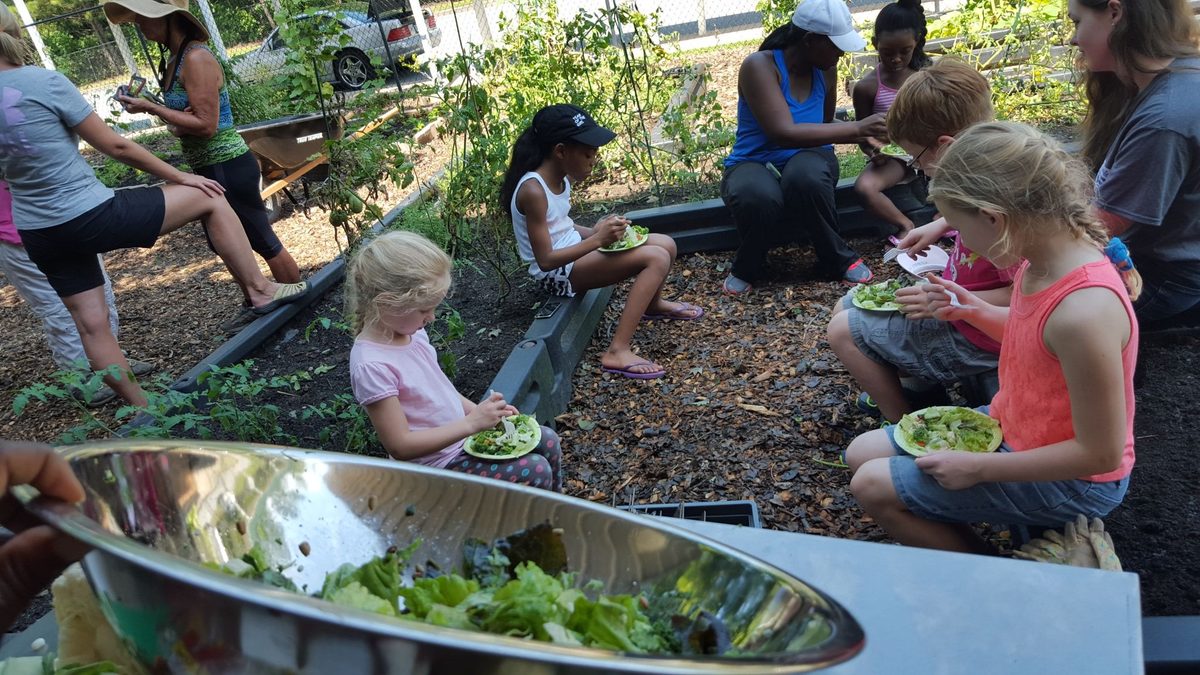
When done correctly, this practice can improve crop productivity, crop yield stability over time, and overall soil health. Intercropping can also help manage pests naturally, reducing weeds, insects, and diseases. The principles of intercropping can also be applied to cover crops, so as to improve soil health, sequester carbon, and bolster biodiversity year-round.
Rainwater Harvesting
Rainwater Harvesting is the collection, filtration, and storage of runoff from roofs or other surfaces for reuse or groundwater recharge instead of letting it flow away as waste. Some of our PLG gardens harvest rainwater and others are working on a plan to be able to use this ancient cultural practice in the future. Indigenous communities in more humid climates planted on mounds of soil, which drains the soil of excess moisture. Today, mounds are still used as a way to preserve soil and reduce erosion. In contrast, the Hohokam tribe in Arizona dug and maintained canals as an irrigation system to facilitate farming in a relatively arid climate. Similarly, the Pueblo peoples used light dams to prevent deep ruts and gullies from forming and redirect the water for agricultural and other purposes. Farmers in dry regions continue to use these and other Indigenous practices in order to overcome environmental challenges and preserve natural resources.
Natural Fertilizer
Ancient natural fertilizers included wood ash from fires, crushed bone animals, animal manicure, broken pottery, and even Nile River silt. Inventive ancient cultures built an agricultural empire around the annual flooding of the Nile.
Today, natural fertilizers feed your plants and improve soil health over time without synthetic chemicals. You can make them at home using kitchen and yard items or buy ready-made organic blends.
- Bulk Organic Amendments and Composts
- Kitchen Scraps and Household Items
- Liquid Feeds and Teas
Some PLG gardens have opted to receive a composter during the rejuvenation process after they’ve had a PLG grant for six years. Others have created their own composting system. All PLG gardens get the best start possible with Kellogg organic soil.
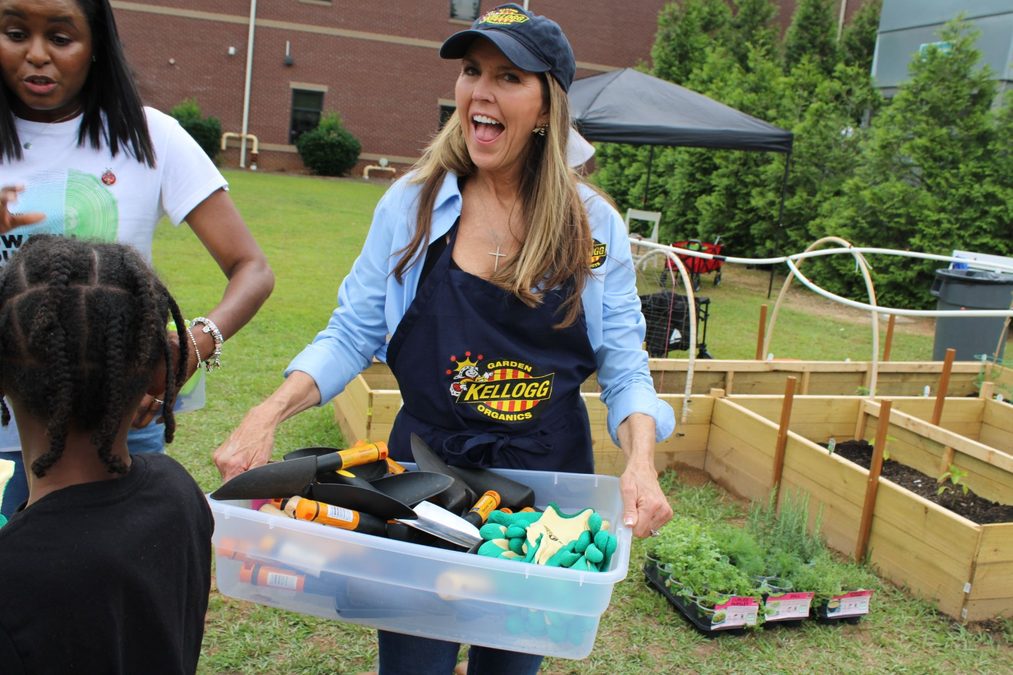
We are also fortunate that Kellogg Garden Products, celebrating 100 years of family service to these ancient practices, is a valued member of the PLG family and is also visiting Factory Shoals Elementary in Atlanta this week. Factory Shoals afterschool STEM and Garden Clubs will be sharing the culture they’ve created, supported by the beneficial bugs Kellogg and Organic Control shared with them last spring.
It’s another PLG full circle moment just before all of us gather for Thanksgiving. Gratitude can mean more than sharing a meal; it can mean honoring the Indigenous traditions that continue to teach us how to care for the earth.