Garden Basics: How to Read a Seed Packet
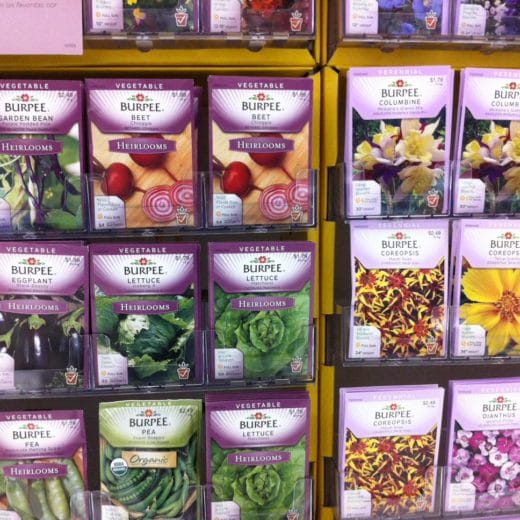
Seed packets provide a lot of valuable information if you know what you’re looking for and what you’re looking at. PDF Download

Seed packets provide a lot of valuable information if you know what you’re looking for and what you’re looking at. PDF Download
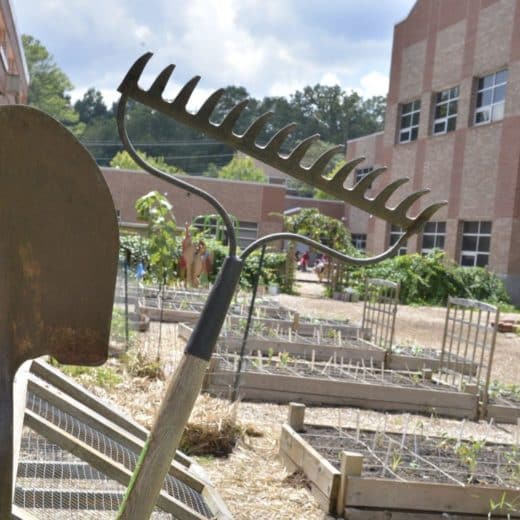
Captain Planet Foundation’s Project Learning Garden is a proud member of a whole network of “schoolyard garden support organizations” across the United States (and around the world) that provide valuable resources and support to schools who want to maximize the value of their gardens for student learning and enrichment. Below are just some of the … Read more
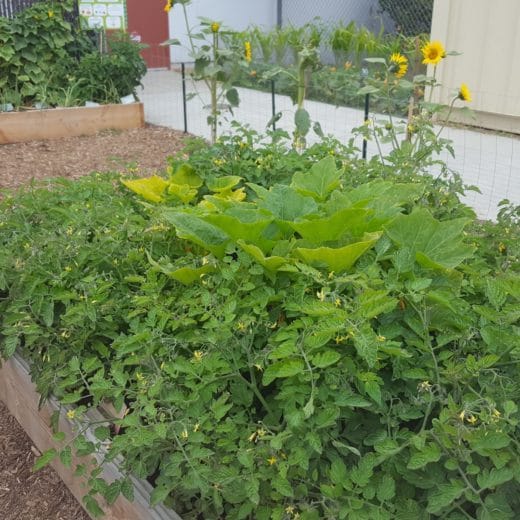
Looking for help with garden maintenance this Summer 2020 during the COVID crisis? Sign up for Project Giving Gardens today! Summertime means time away from school, but what about the garden? It’s a great growing season but it’s also hot and depending on your weather, could be dry. How are you going to manage your … Read more
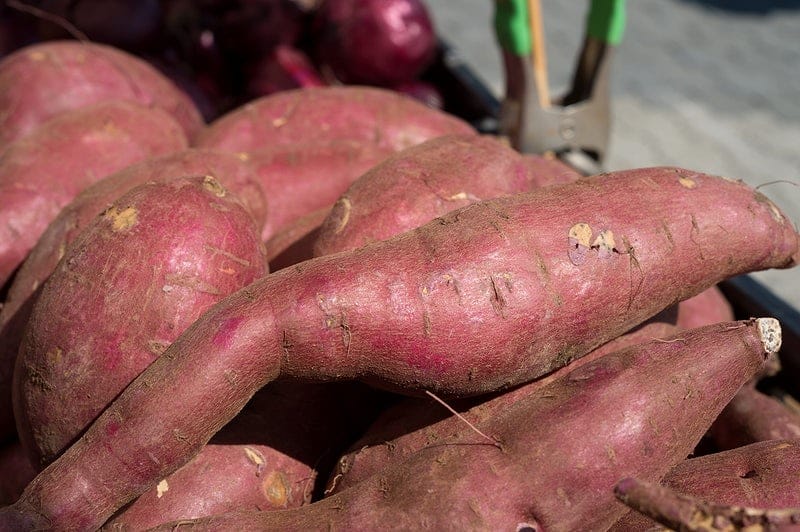
The time to harvest your sweet potatoes is when the leaves start to yellow and start sporting purple spots. Keep in mind that the longer a crop is left in the ground, the higher the yield and vitamin content, but frost will kill tubers and your hopes for having homegrown sweet potatoes. Harvest sweet potatoes … Read more
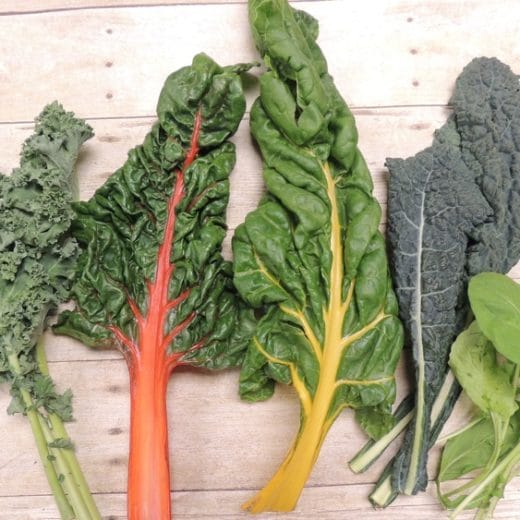
Preparation Before planting your greens, be sure to choose a location that receives full and direct sunlight. Most greens are hardy and can withstand lower temperatures: sow seeds in early spring and late summer months. Greens prefer well worked tilled soil that has a high amount of organic matter. Growers also use a slow release … Read more
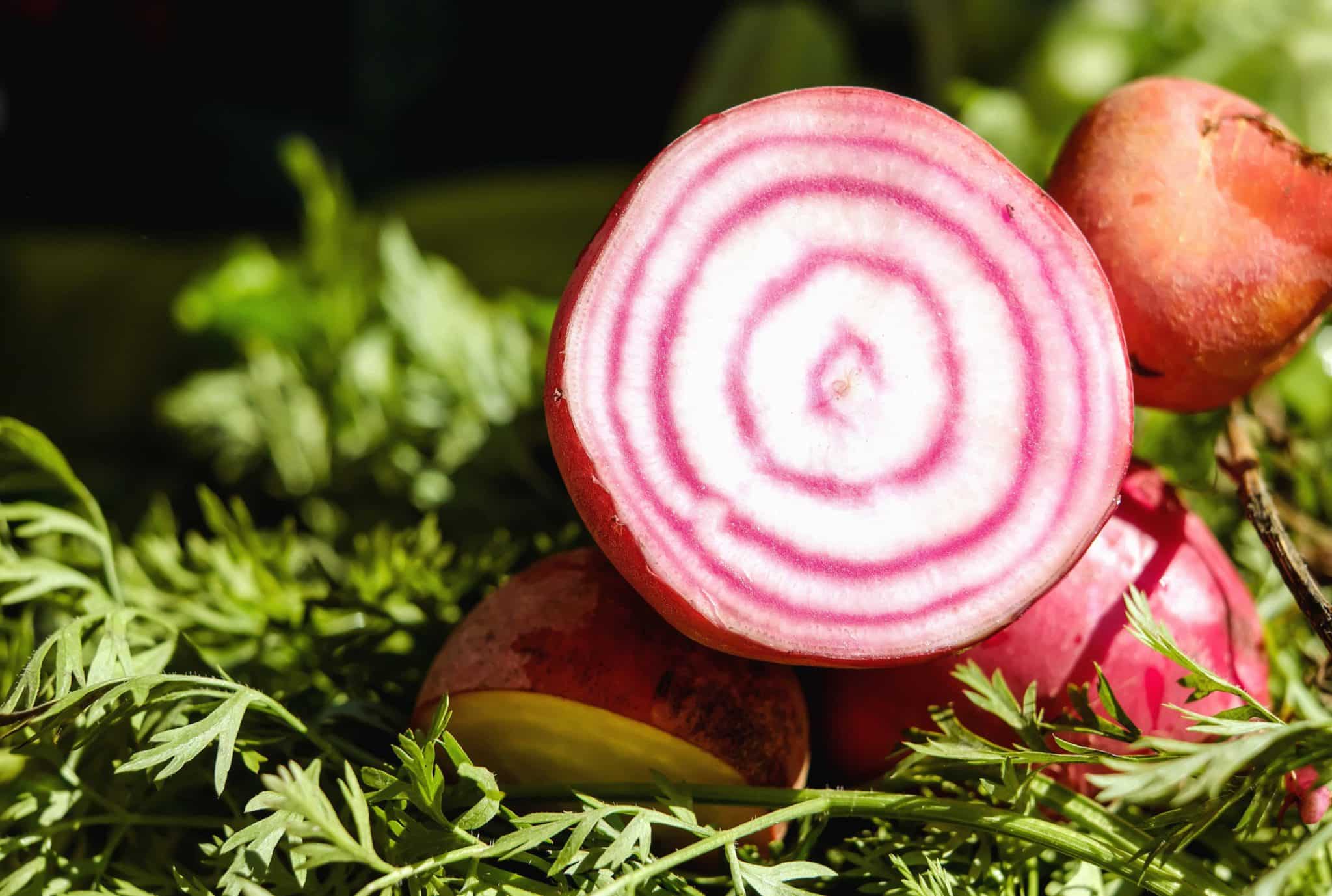
Preparation Because root vegetables grow out of sight under ground, it is important to make sure the soil has been prepared to allow space to grow. Root vegetables prefer well drained loose soil. Soil should also be able to retain moisture. Check the PH of the soil to ensure it is between 6.0 and 6.8 … Read more
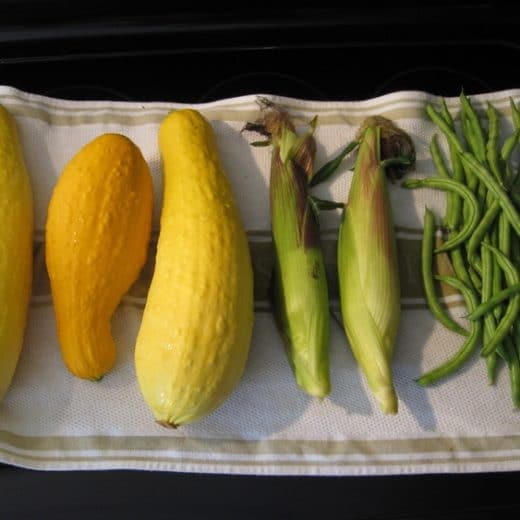
The tradition of planting corn, pole beans, and squash together is a Native American method we still use to this day. Although many Native tribes used this method of planting it was the Haudenosaunee (H-oh-DEE-no-SH-oh-nee) AKA Iroquoise that coined the term, “Three Sisters”. Three sisters planting is an easy and fun way to teach students … Read more
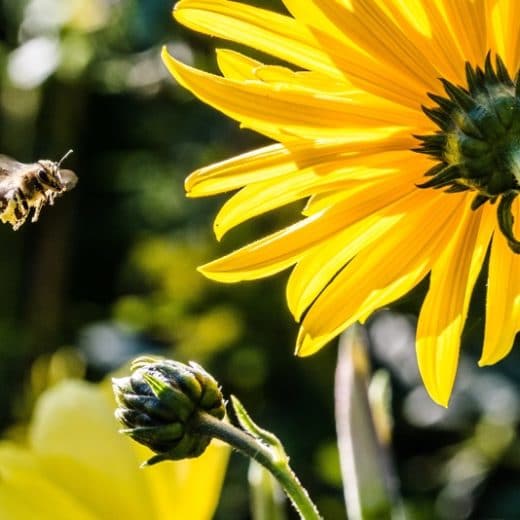
Preparation Wait until the soil temperature reaches 55-60F. Choose a location with direct sunlight for 6 to 8 hours per day. Sunflowers thrive in slightly acidic to somewhat alkaline (pH 6.0 to 7.5) conditions. Soil should be nutrient-rich with organic matter or composted. When choosing where to plant sunflowers consider that once blossoms open, they … Read more
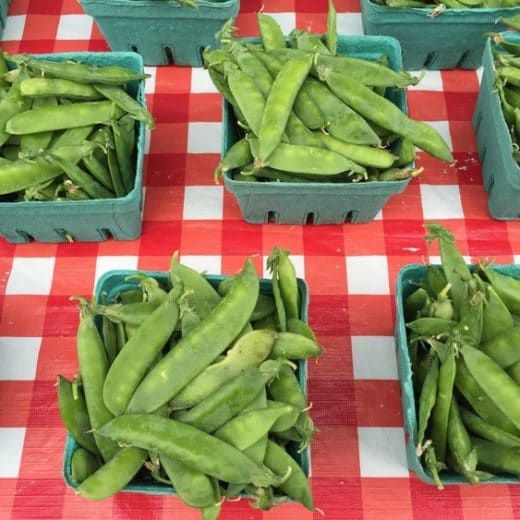
Preparation Remove all weeds and trash from the planting area. Till the soil 8 to 10 inches deep and rake it several times to break up the large dirt clods. Work the garden soil only when it is dry How To Grow Sugar Snap Peas Growing sugar snap peas is best when the temperature is … Read more
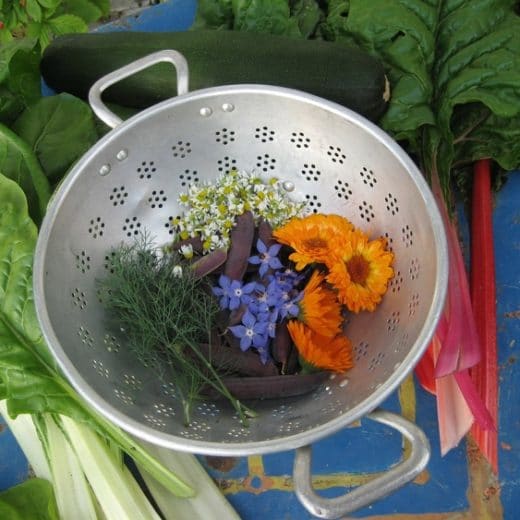
Eating Flowers Edible flowers include any flower that isn’t poisonous or that may cause a negative reaction. People who have have hay fever, asthma, or severe pollen allergies are advised not to consume flowers. Warning: Just because a flower is edible doesn’t necessarily mean it tastes good. Plant identification is key because some flowers have … Read more