Scarecrow and Ladybugs

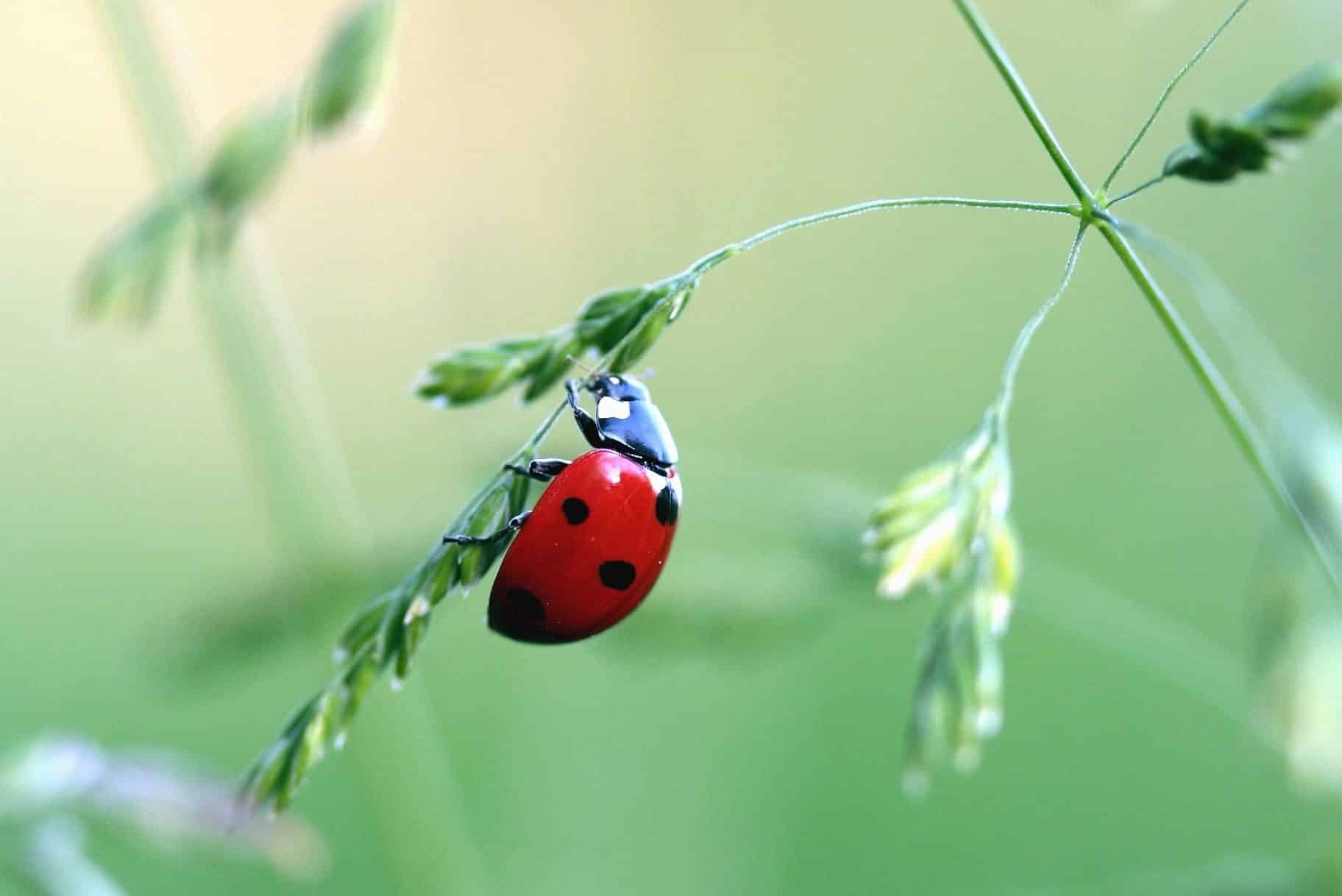
ladybug on a leaf

Students will hunt for bugs in the schoolyard garden and research to determine if they are pests or beneficial insects. They will then take a closer look at at pests and model how they spread and discuss different ways to prevent them. Lastly, students will take a closer look at beneficial insects such as pollinators … Read more
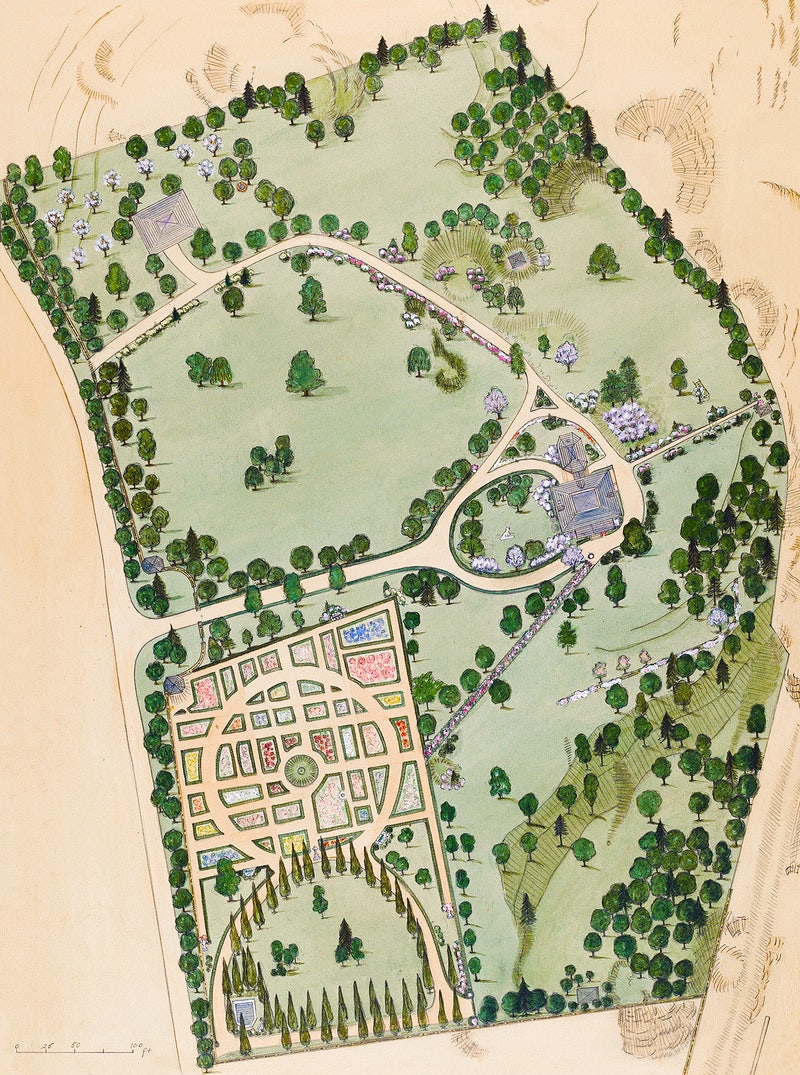
Mapping the Garden

garden layout map

Students will use a coordinate plane arranged on a raised bed to describe the plants that live within it to students that are not looking at the bed but simply drawing the plants and their location based on the students’ descriptions. At the conclusion of the activity, students will check their accuracy.

Seeds & Sprouts

young plants sprouting

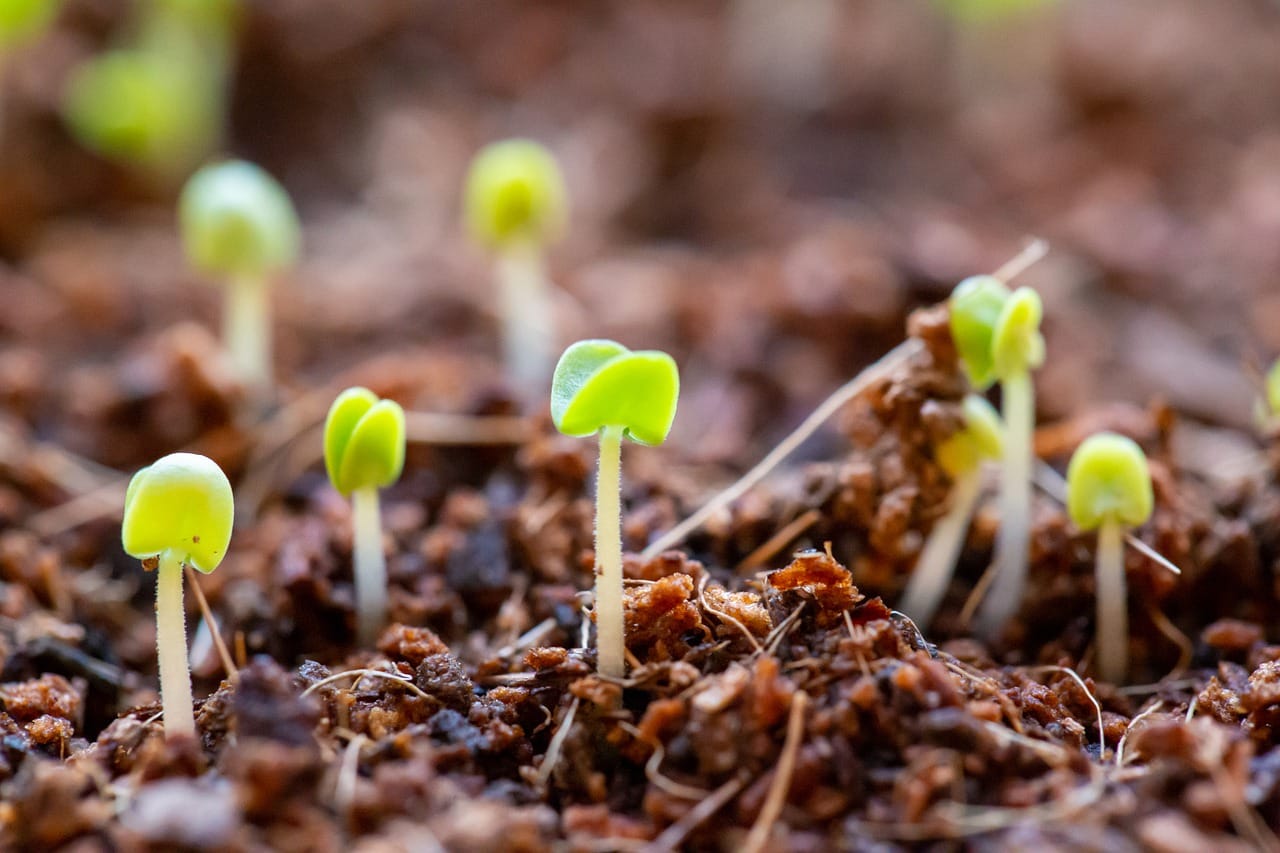
Students will look for evidence of how different types of plants reproduce then will explore whether all plants grow from seeds.

Adopt a Plant

little girl watering her plants

Students will compare and contrast the life cycles of seasonal crops to trees, closely observing the growth of those plants in the schoolyard garden.

Sense of Place

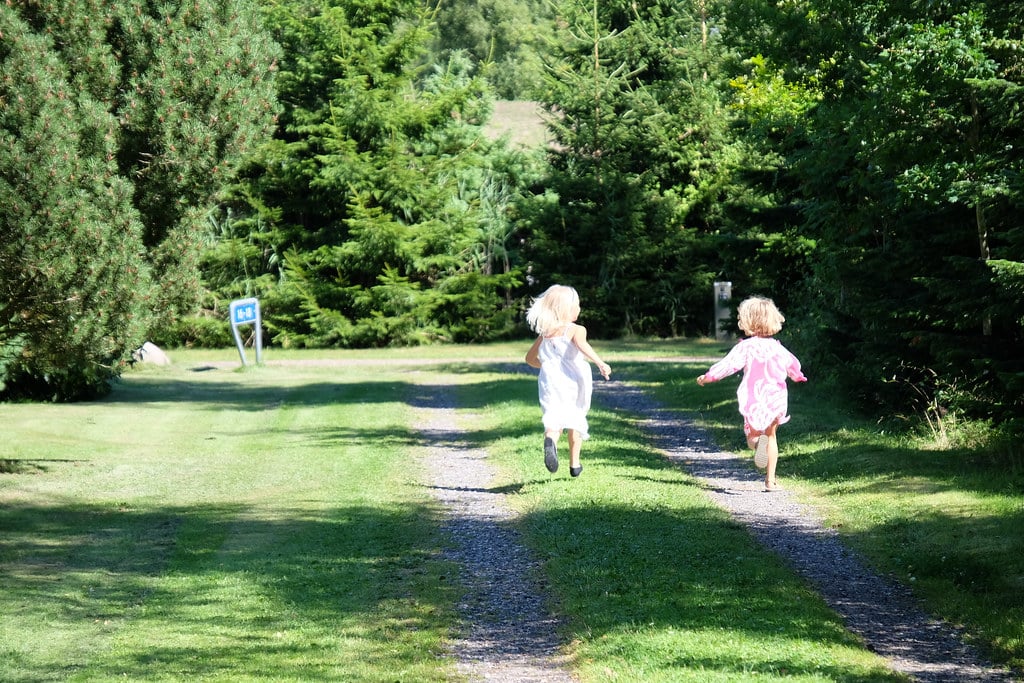
little girls running through garden

Students will use their senses to explore the schoolyard and write a poem about what they see, hear, smell, feel, and taste. Deeper explorations for each of the senses are included such as creating a sound map or completing a scavenger hunt for different textures or exploring an herb garden for different smells.

Air Pollution Detecting Gardens

Students will learn about biomonitoring – what it means, how it is used, and how we can use it to learn more about our schoolyard garden.

Help a Sister Out

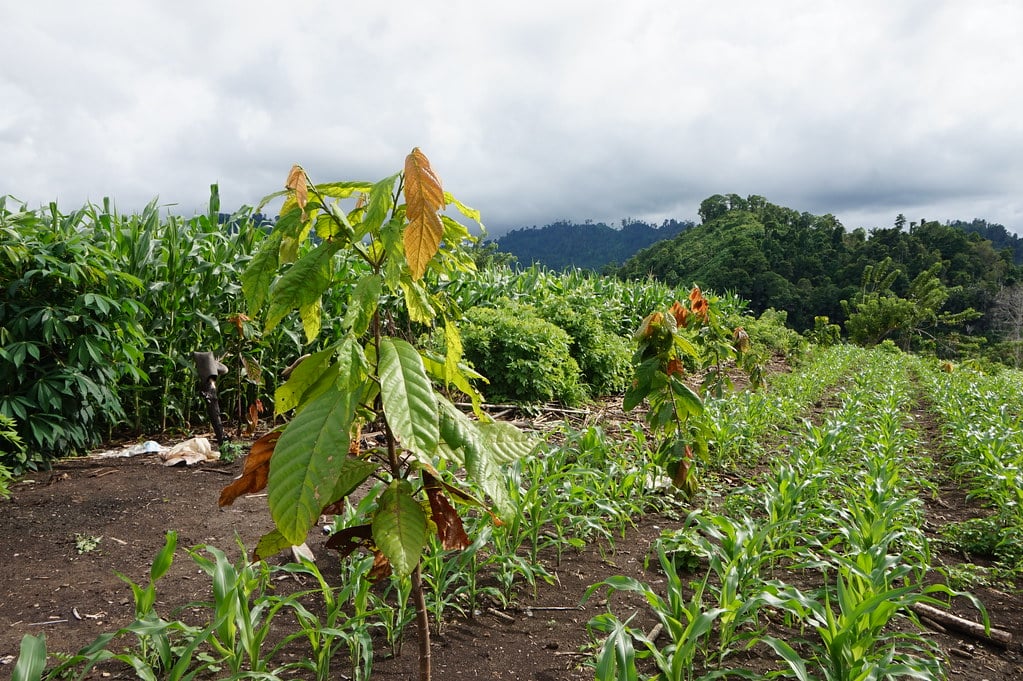
plants in a field

Students will explore Native American culture and planting techniques, then compare and contrast planting techniques then and now.

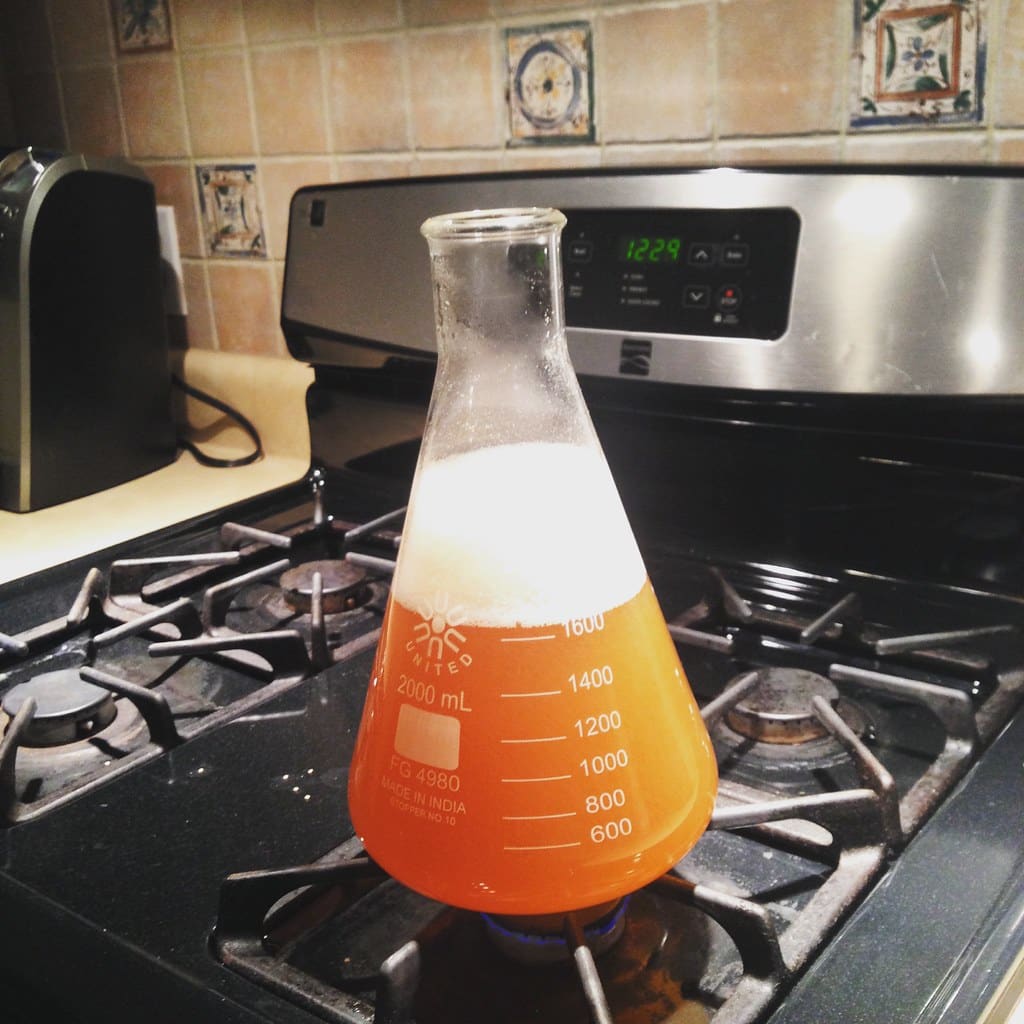
Chemistry in the Kitchen

glass vile in the kitchen

Students will complete the red cabbage chemistry experiment to observe a chemical change. Then students will demo multiple recipes and classify the changes as physical or chemical, including: mixing a salad, making a smoothie, making popsicles, making sun tea, making pancakes, observing oxidizing apples, sauteing a vegetable.

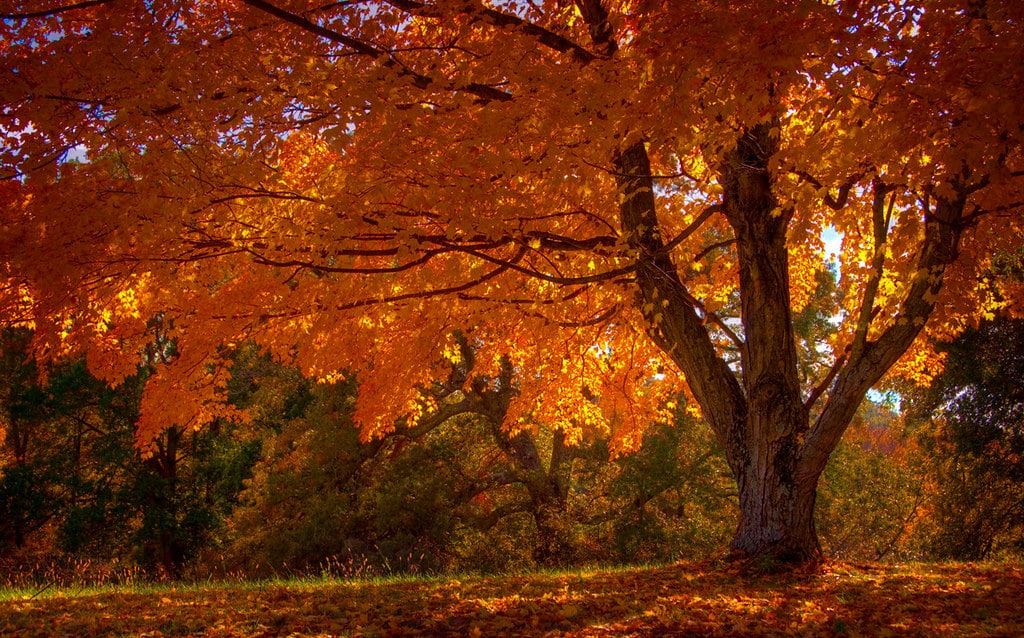
Life Cycle of the Land

autumn leaves

Students will work together to model how the life cycle of the land progresses from bare rocks to a mature forest. Then they will apply that understanding to their schoolyard looking for evidence of stage’s of the land’s life cycle.

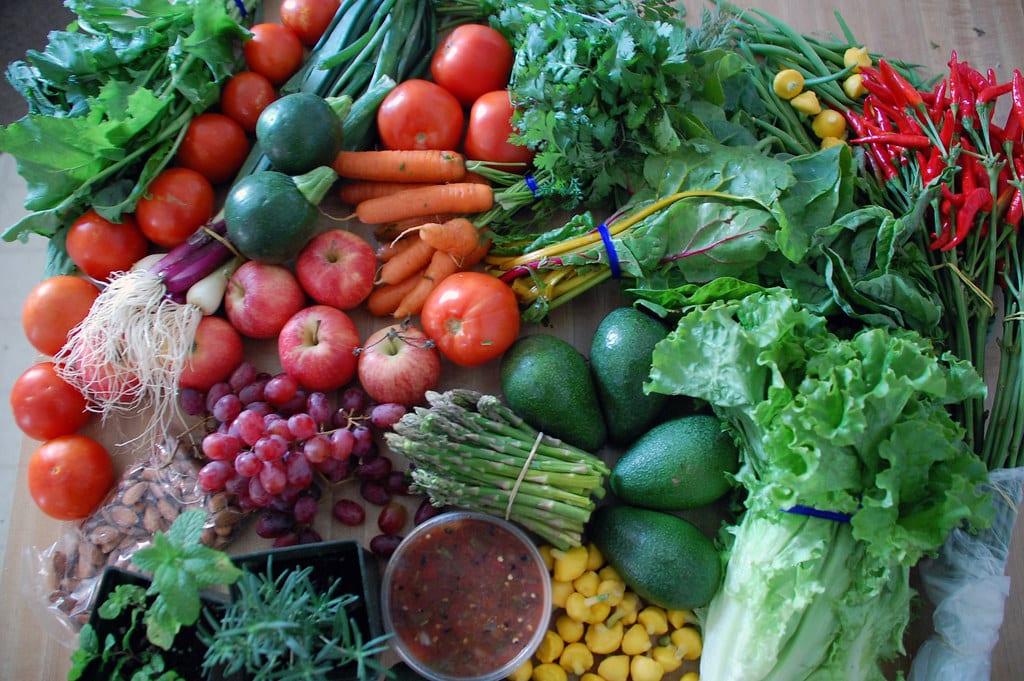
Eating a Rainbow

colorful produce

Students will explore how to plant a rainbow of edible plant parts (even flowers!) and understand how “eating a rainbow” of fruits and vegetables can nourish their bodies.