
Solar Cooking

clouds in the sky

Students will investigate the movement of heat energy (convection, conduction, insulation) and use their understanding of heat energy to design a solar oven and to design a method for extending the growing season in the schoolyard garden.
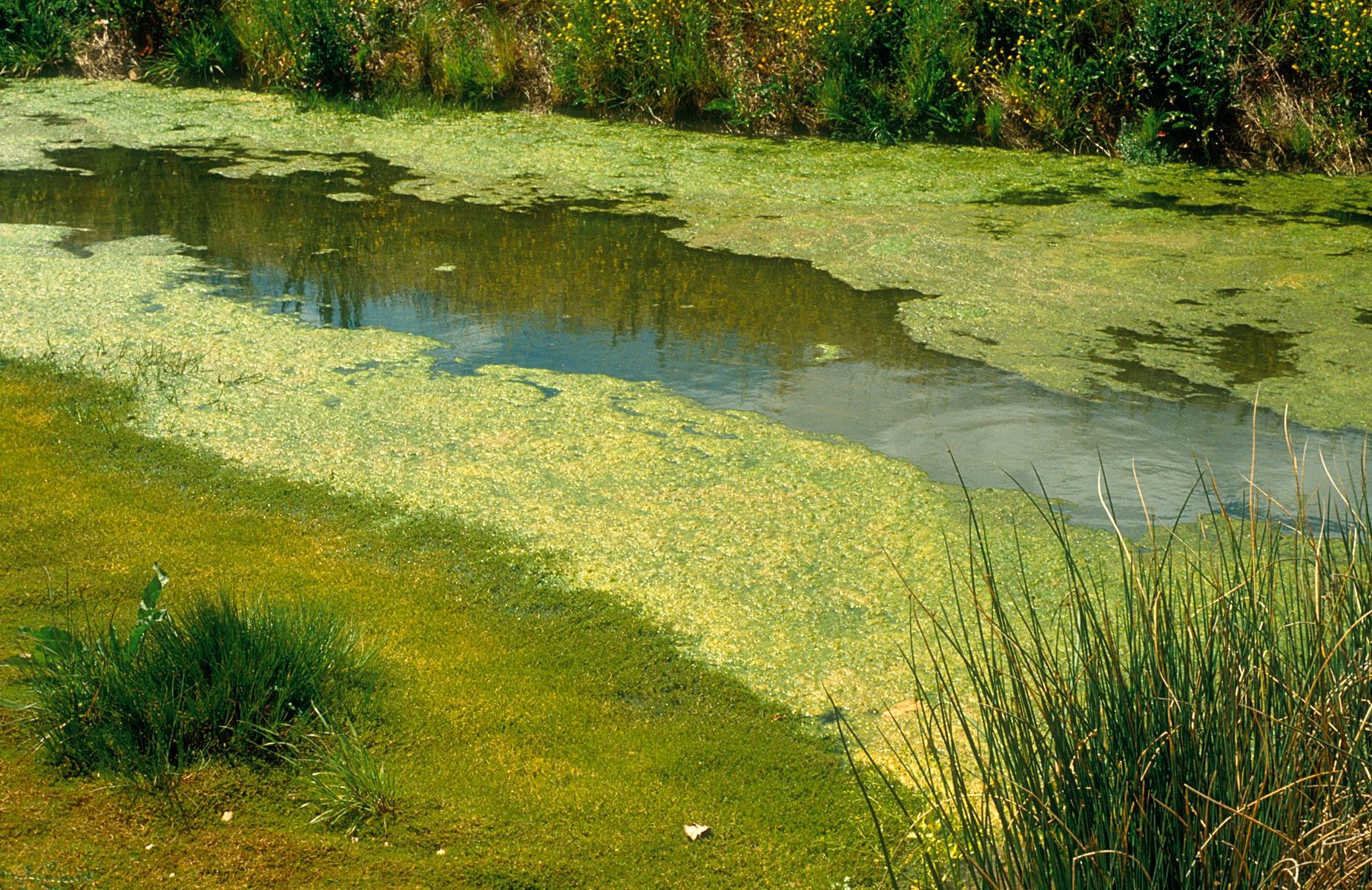

Rotting Away

algae in a pond

Students will review the tree life cycle and then extend their understanding to the rotting of the logs. Students will learn about the different decomposers (fungus, bacteria, invertebrates) then search for evidence of them in the garden.

Predicting Weather

warm pink cloud over mountains

Students will make a wind vane, anemometer, barometer, and thermometer to measure wind direction, wind strength, air pressure, and temperature. They will collect data from these instruments and use this information to make predictions about the weather that will help inform decisions they make for their garden.

Air Pollution Detecting Gardens

Students will learn about biomonitoring – what it means, how it is used, and how we can use it to learn more about our schoolyard garden.

Help a Sister Out

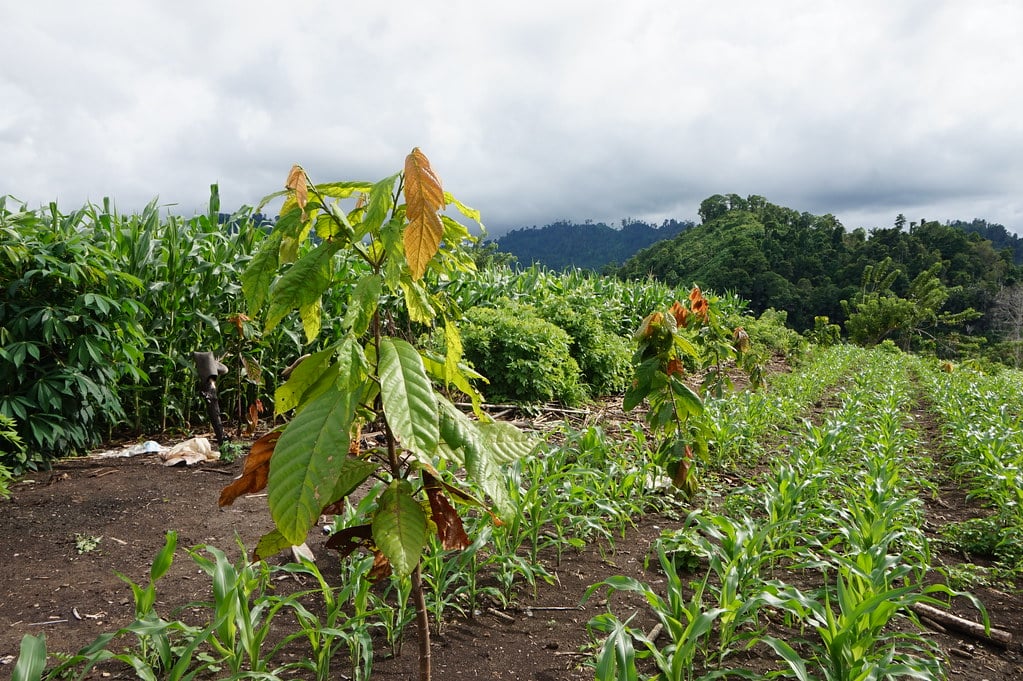
plants in a field

Students will explore Native American culture and planting techniques, then compare and contrast planting techniques then and now.

Chemistry in the Kitchen

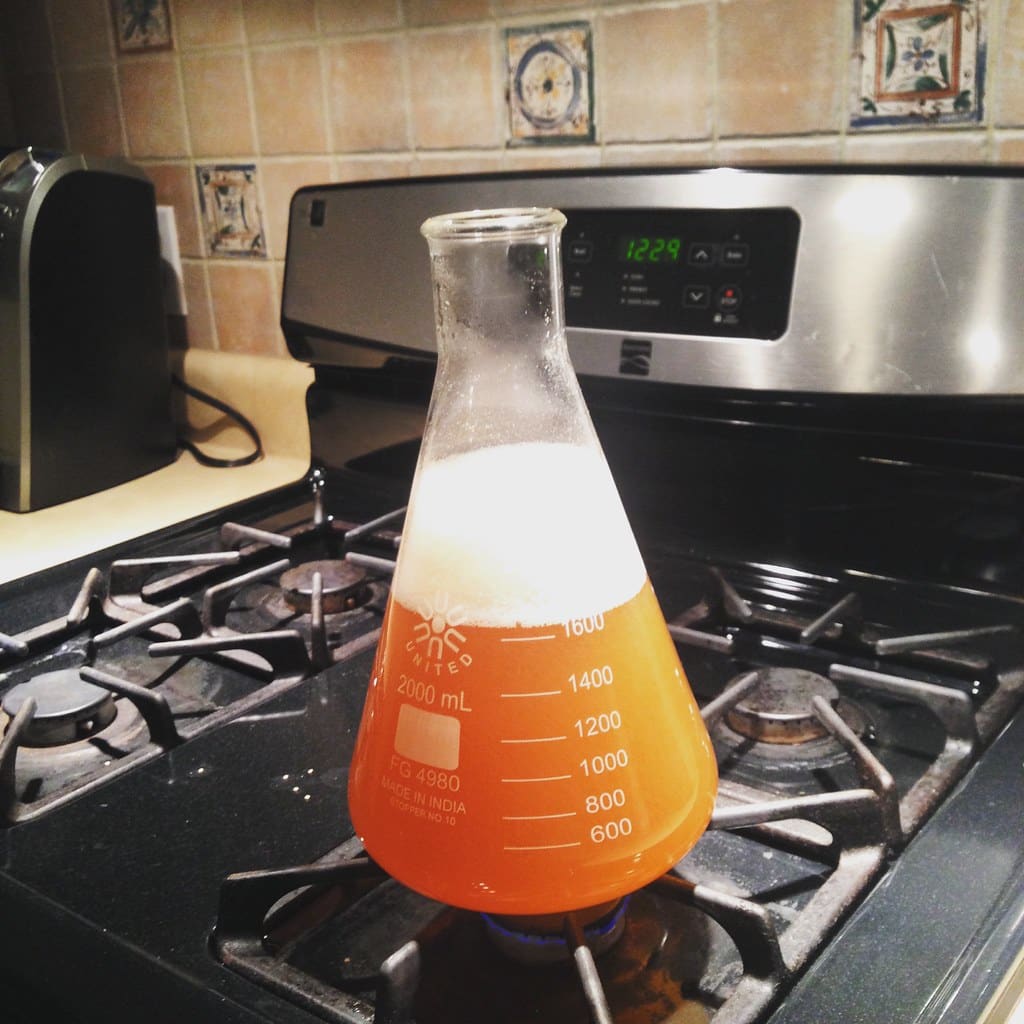
glass vile in the kitchen

Students will complete the red cabbage chemistry experiment to observe a chemical change. Then students will demo multiple recipes and classify the changes as physical or chemical, including: mixing a salad, making a smoothie, making popsicles, making sun tea, making pancakes, observing oxidizing apples, sauteing a vegetable.

Life Cycle of the Land

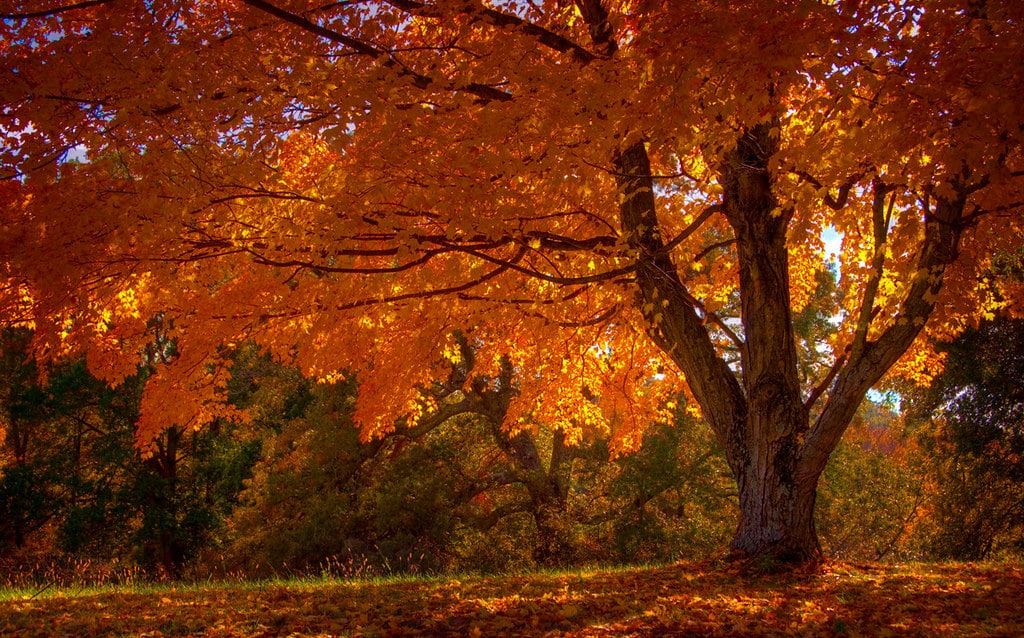
autumn leaves

Students will work together to model how the life cycle of the land progresses from bare rocks to a mature forest. Then they will apply that understanding to their schoolyard looking for evidence of stage’s of the land’s life cycle.

Eating a Rainbow

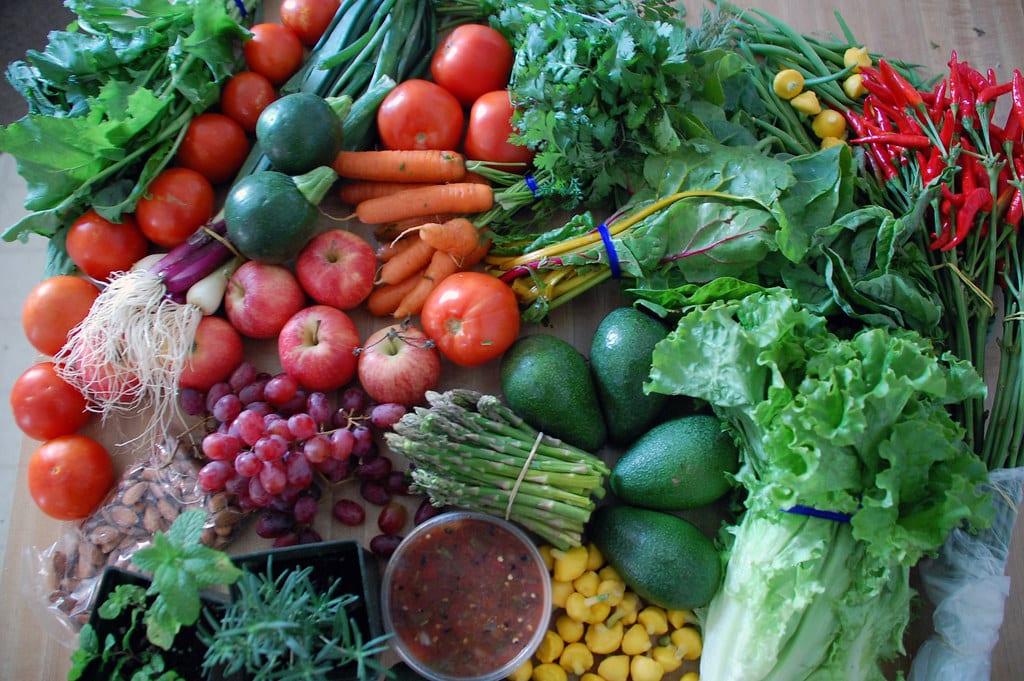
colorful produce

Students will explore how to plant a rainbow of edible plant parts (even flowers!) and understand how “eating a rainbow” of fruits and vegetables can nourish their bodies.

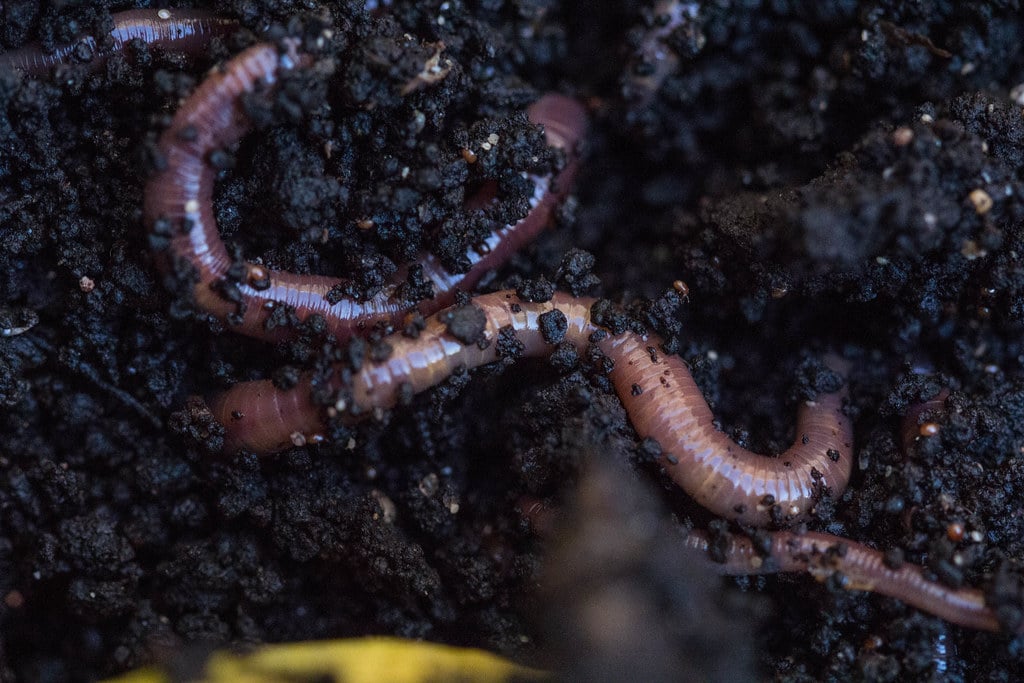
Worm Your Way Out of This

worms in the dirt

Students will explore waste diversion techniques like composting and discover how worms can be an integral part of the process. As an extension, the class can make a worm bin.